Optimized freight configurations designed to minimize transit times and maximize clearance efficiency for Southern African distribution networks.
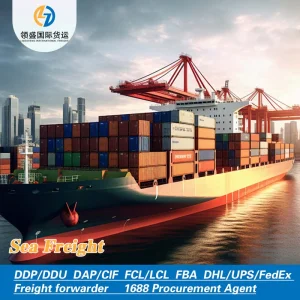
Namibia is rapidly transforming into a premier logistics hub for the Southern African Development Community (SADC) region. Leveraging the strategic expansion of the Port of Walvis Bay, Namibia provides landlocked countries such as Zambia, Zimbabwe, Botswana, and the Democratic Republic of Congo with a reliable, efficient corridor to international maritime routes. The Walvis Bay Corridor Group (WBCG) plays a critical role in facilitating trade flows, drastically reducing container transit times compared to traditional South African ports.
For cross-border e-commerce, the domestic Namibian market is experiencing a massive digital transition. Windhoek, Swakopmund, and Walvis Bay represent the primary hubs for digital consumerism. The growth of mobile money, increased internet penetration, and national infrastructure projects have driven B2C demand for diverse international goods—particularly consumer electronics, fast fashion, and machinery spare parts sourced directly from manufacturing plants in China.
However, navigating the local landscape requires advanced logistics capability. The Southern African Customs Union (SACU) regulations demand precise compliance, accurate tariff classification, and efficient domestic transshipment to overcome the physical challenges posed by the country's vast, sparsely populated geography.
The Port of Walvis Bay: The focal point of the Trans-Kalahari and Trans-Caprivi corridors, offering a shorter maritime journey from Asia than traditional Cape routes, and bypassing major port congestions elsewhere in Sub-Saharan Africa.
Last-Mile Logistics Demands: Windhoek's distribution centers act as consolidation points for inland routes, requiring tight fleet-management coordination and multi-modal integrations.
The shift toward highly responsive supply chains dictates new standards of transparency, speed, and cost efficiency in cross-border fulfillment.
Global procurement teams no longer rely solely on massive FCL (Full Container Load) shipments. Cross-border e-commerce demands dynamic Less-than-Container Load (LCL) programs that enable small-batch replenishment cycles, minimizing storage costs and mitigating inventory risks.
B2B and B2C buyers demand Delivered Duty Paid (DDP) arrangements. To prevent shipments from getting held at African border points, logistics providers must orchestrate automated duty estimations, local tax handling, and upfront import processing.
Real-time tracing of small parcels and container freight is now non-negotiable. Modern ERP integrations must pipeline port coordinates, custom statuses, and last-mile ETA predictions onto unified buyer dashboards.
Modern Chinese logistics factories operate far beyond basic warehousing. The implementation of Industry 4.0 technologies—such as autonomous mobile robots (AMRs) for sortation, AI-driven container loading optimization, and IoT sensors for real-time monitoring—has transformed China's export hubs into highly adaptive ecosystems.
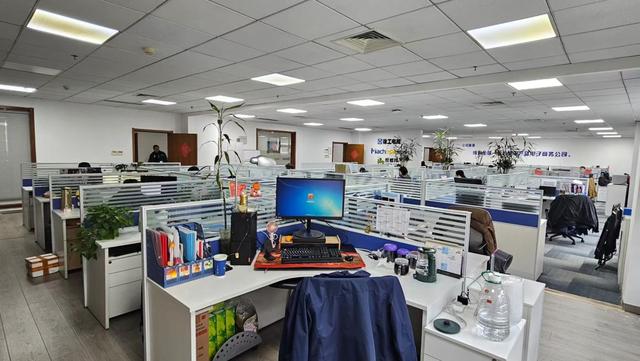
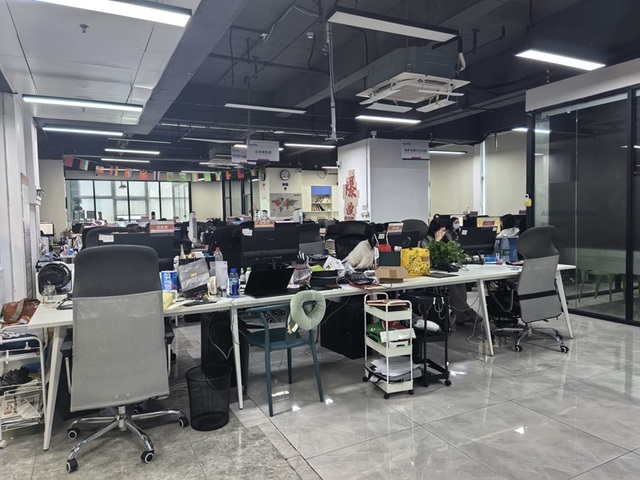
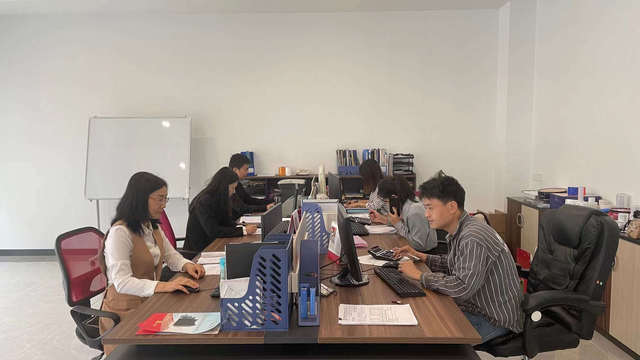
By digitizing cargo intake from factories in Shenzhen, Guangzhou, and Dongguan, companies like Shenzhen AeroLoad Logistics Co., Ltd. can streamline pre-shipping processes. Cargo consolidation, packaging adjustment, export customs declaration, and shipping container booking are managed under a single, unified database.
This deep integration mitigates supply chain volatility. Even during peak global logistics bottlenecks, Industry 4.0 enabled forwarders maintain capacity commitments through dynamic carrier routing, digital twin scheduling, and pre-clearance data handshakes directly with the Port of Walvis Bay.
Integrating raw manufacturing processes with strategic freight corridors means shorter delays between assembly line output and physical dispatch. For Namibia, this reduces the average supply chain cycle by up to 22%, saving crucial capital costs for retailers.
AeroLoad employs artificial intelligence to analyze customs tariffs across the Southern African Customs Union. This technology matches product declarations with local HS Codes automatically, preventing delays caused by manual clerical discrepancies during customs declaration.
Professional global logistics networks supporting scaling brands, e-commerce stores, and industrial manufacturers.
Shenzhen AeroLoad Logistics Co., Ltd. is a professional international logistics service provider specializing in efficient shipping solutions from China to Europe, the UK, Canada, and Mexico. Headquartered in Shenzhen, the company delivers reliable, end-to-end logistics services designed to support global trade and cross-border e-commerce businesses.
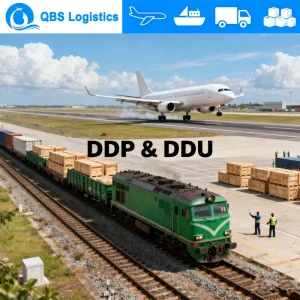
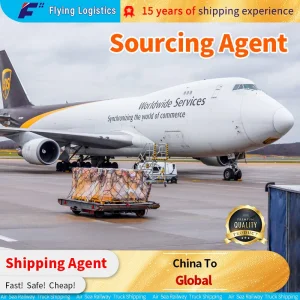
AeroLoad offers a full range of transportation options, including air freight, sea freight, and railway freight, enabling clients to choose the most cost-effective and time-efficient shipping methods. Its core services cover door-to-door delivery, DDP/DDU shipping, customs clearance, cargo consolidation, and last-mile distribution, ensuring smooth and hassle-free international logistics operations.
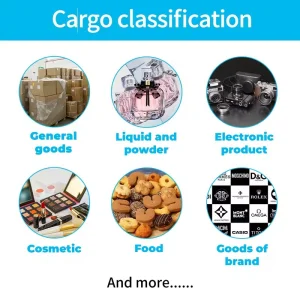
With extensive experience in handling diverse cargo types, the company supports industries such as electronics, consumer goods, machinery, and e-commerce. AeroLoad also provides specialized solutions for Amazon FBA shipments, helping sellers streamline their supply chain and improve delivery performance in overseas markets.
Driven by a commitment to efficiency and transparency, AeroLoad integrates advanced logistics tracking systems and digital management tools, allowing clients to monitor shipments in real time. The company maintains strong partnerships with global carriers and overseas agents, ensuring stable capacity and consistent service quality.
Shenzhen AeroLoad Logistics Co., Ltd. is dedicated to delivering flexible, reliable, and scalable logistics solutions, empowering businesses to expand internationally with confidence and optimize their global supply chain operations.

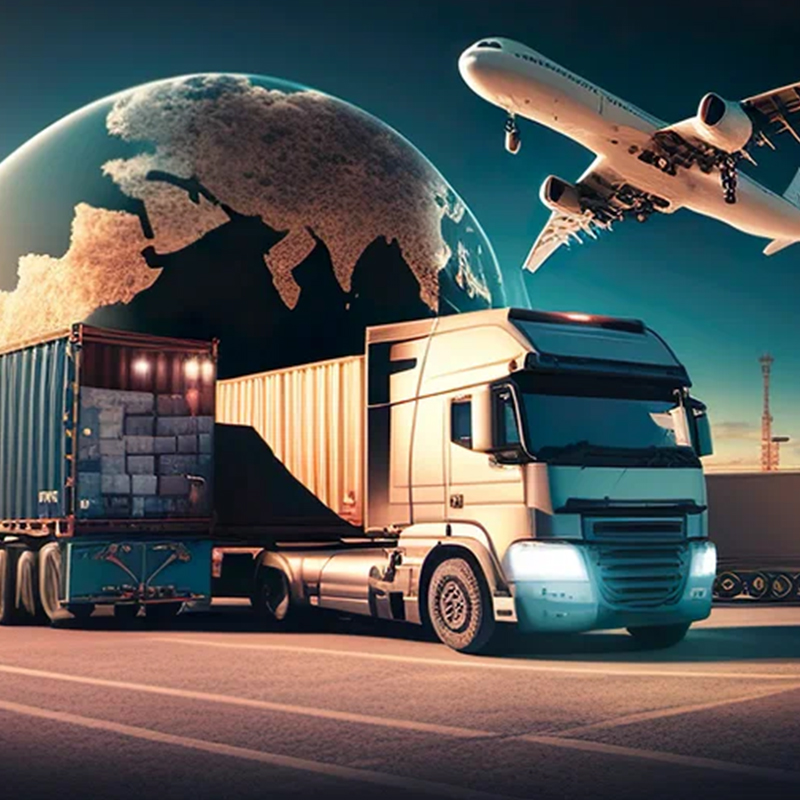
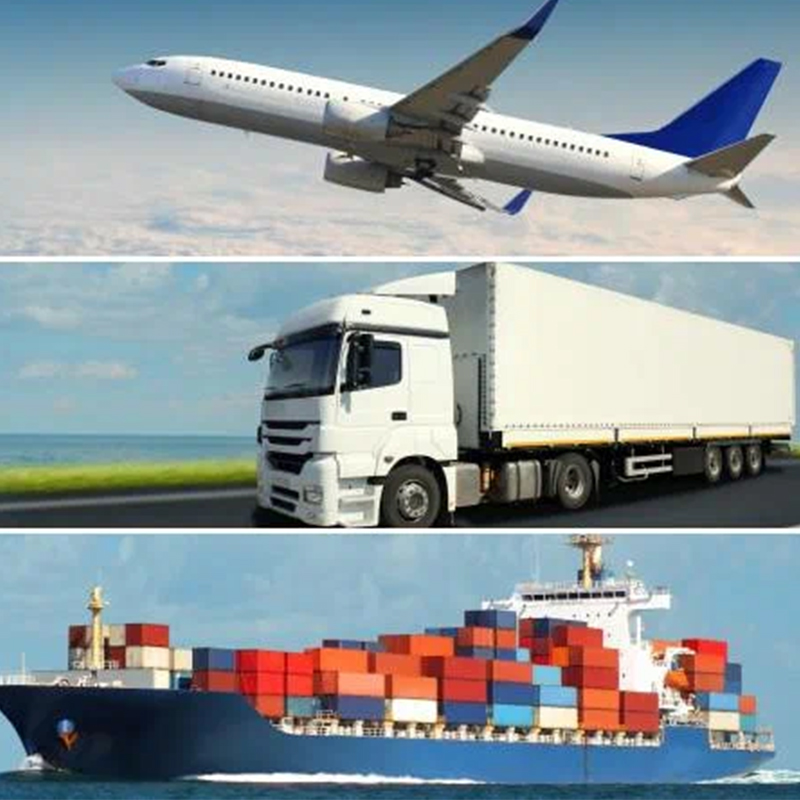
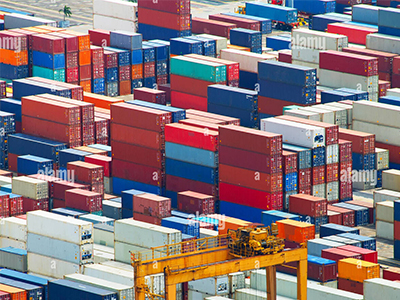

How our cross-border frameworks adapt to specific industrial needs across Namibia's expanding business sectors.
Direct-to-consumer micro-parcels shipped via air cargo from Shenzhen directly to Windhoek. Complete traceability allows customers to track their purchases from warehouse sorting in China through NamPost or private courier last-mile drop-off.
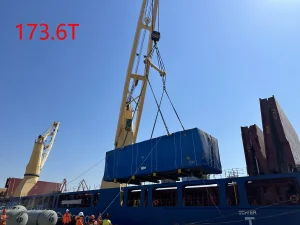
Heavy machinery parts and industrial components destined for uranium and diamond mining operations near Swakopmund and Karibib. Fast-tracked sea-air multimodal services ensure operations face minimal downtime.
For Namibian traders sourcing apparel, homeware, and electronics from Yiwu and Guangzhou markets. Dynamic LCL containerization reduces costs, with customs clearance handled seamlessly at Walvis Bay Port under DDP terms.
Expert technical insights to help exporters and procurement managers streamline operations.
Air freight shipments from Shenzhen (SZX) or Guangzhou (CAN) to Windhoek Hosea Kutako International Airport (WDH) generally take 5 to 7 days, including custom clearance processes. Sea freight routes connecting major Chinese ports (e.g., Shanghai, Ningbo, Shenzhen) to the Port of Walvis Bay average between 28 and 35 transit days. Inland transport from Walvis Bay to Windhoek takes an additional 1 to 2 days via road transport.
Namibia is a member of the Southern African Customs Union (SACU). Import duties are calculated based on the transaction value of the goods (CIF - Cost, Insurance, and Freight). In addition to customs duties, Namibia levies a standard Value Added Tax (VAT) of 15% on imported items. By utilizing AeroLoad's specialized DDP (Delivered Duty Paid) logistics services, all duties, taxes, and import fees are calculated and paid upfront, preventing customs delays at the border.
Standard imports require a commercial invoice, a packing list, a Bill of Lading (for sea freight) or Air Waybill (for air cargo), and a SAD 500 (Single Administrative Document) customs declaration form. For specific product groups, additional import permits from the Ministry of Industrialization and Trade might be required. AeroLoad manages the generation and digital filing of all SACU customs documents.
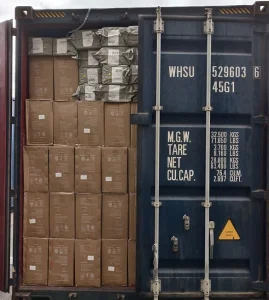
Yes, we specialize in LCL (Less-than-Container Load) cargo consolidation. We collect shipments from various manufacturers in China at our Industry 4.0 automated hubs, bundle them into shared containers, and dispatch them to Walvis Bay. This permits small-to-medium businesses to access bulk freight rates without buying full container volumes.
Our logistics trajectory tracking pipeline uses electronic data interchange (EDI) and GPS monitoring. From the moment the package is processed at our domestic facility to maritime dispatch, custom clearance, and final mile hand-off in Namibia, buyers receive automated tracking milestones via API integration, email updates, or direct tracking portals.
Select from our comprehensive list of shipping programs, designed with full compliance, robust tracking, and competitive rates.
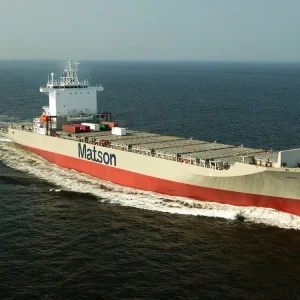
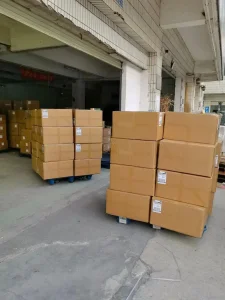
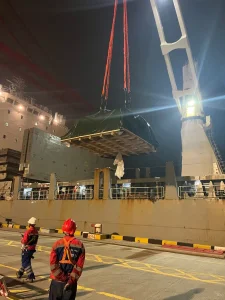
Consult our routing experts for customized tariffs, warehousing consolidation rates, and DDP setup for the Southern African market.
Send Inquiry Now AeroLoad Logistics