Vetted international freight, door-to-door (DDP/DDU) delivery channels, and cross-border e-commerce lanes engineered for resilient global supply chains.
The global trade ecosystem is undergoing a generational shift. Geopolitical realignments, fluctuating fuel prices, and the structural growth of cross-border e-commerce have altered standard shipping parameters. Organizations can no longer rely on singular freight lanes or legacy paperwork-driven processes. Digital integration, centralized visibility, and multi-tier routing redundancy are the base prerequisites for modern enterprise logistics.
In this landscape, International Shipping Platforms and Suppliers act as critical nodes. They function as more than transport coordinators. They are algorithmic routing engines, risk managers, and trade compliance advisors. Modern logistics systems process vast amounts of unstructured global data: maritime congestion statistics, customs queues, terminal operations, fuel indexes, and carrier schedules. By aggregating this raw data, top-tier platforms provide actionable operational intelligence.
Moving from single-source manufacturing models to diversified "China + N" strategies requires modular logistics plans. High-performing suppliers utilize multimodal transshipment (combining rail, air, and sea) to bypass regional port lockups.
API integrations between shipping systems and enterprise ERP networks minimize tracking errors. Advanced telemetry systems track raw locations, inside temperatures, and humidity markers for sensitive cargo groups.
Unanticipated regulatory adjustments cost global supply chains millions in demurrage charges annually. Leading digital freight agents integrate predictive customs-filing modules to resolve issues prior to arrival.
Enterprise procurement teams look past simple shipping rates. Sourcing departments seek long-term partners with stable operations, specialized compliance programs, and scalable capacity. Evaluating global shipping platforms requires examining key criteria that balance immediate transport costs with overall supply chain security:
By defining clear operational SLAs, enterprises can shift from reactive transactional booking to strategic supply chain partnerships.
Providing high-efficiency international shipping and strategic distribution networks across Europe, North America, and emerging markets.
Shenzhen AeroLoad Logistics Co., Ltd. is an international logistics service provider specializing in shipping solutions from China to Europe, the UK, Canada, and Mexico. Headquartered in the logistics hub of Shenzhen, the company delivers end-to-end solutions designed to support global trade and cross-border e-commerce networks.
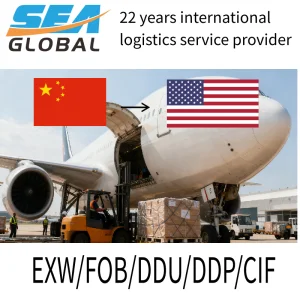
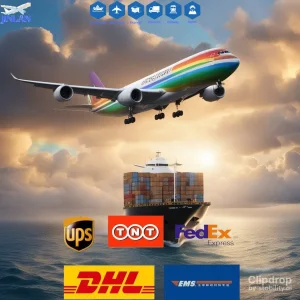
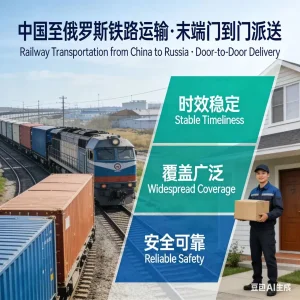
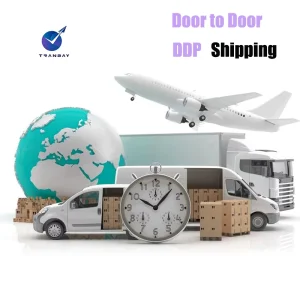
AeroLoad offers a full range of transportation options, including air freight, sea freight, and railway freight, enabling clients to choose the most cost-effective and time-efficient shipping methods. Its core services cover door-to-door delivery, DDP/DDU shipping, customs clearance, cargo consolidation, and last-mile distribution, ensuring smooth and hassle-free international logistics operations.
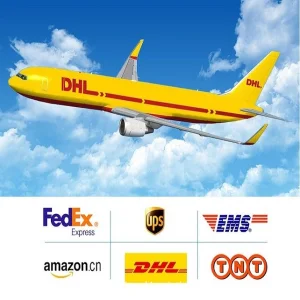
With extensive experience in handling diverse cargo types, the company supports industries such as electronics, consumer goods, machinery, and e-commerce. AeroLoad also provides specialized solutions for Amazon FBA shipments, helping sellers streamline their supply chain and improve delivery performance in overseas markets.
Driven by a commitment to efficiency and transparency, AeroLoad integrates logistics tracking systems and digital management tools, allowing clients to monitor shipments in real time. The company maintains partnerships with global carriers and overseas agents, ensuring stable capacity and consistent service quality.
Shenzhen AeroLoad Logistics Co., Ltd. is dedicated to delivering flexible, reliable, and scalable logistics solutions, empowering businesses to expand internationally with confidence and optimize their global supply chain operations.




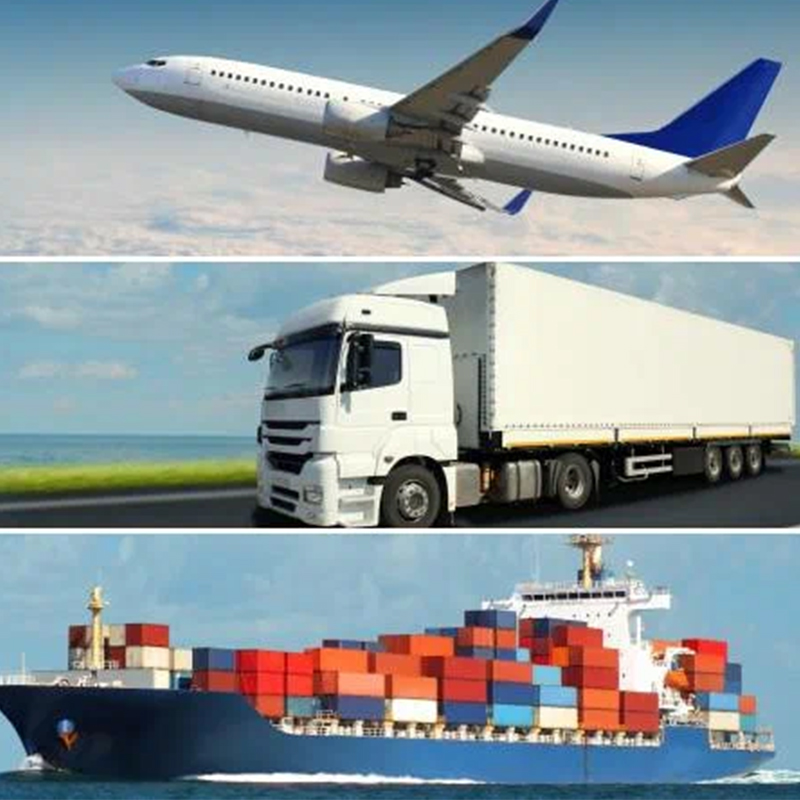

The future of logistics lies in automation and environmental integration. Several shifts are changing the way goods move globally:
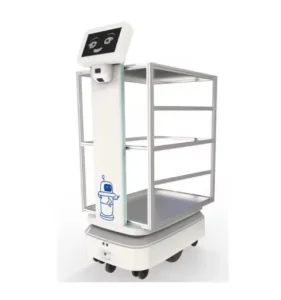
Last-mile logistics remains the most expensive and complex part of the delivery cycle. The introduction of autonomous urban delivery robots and automated vehicles is helping to stabilize last-mile costs. By implementing localized hub-and-spoke distribution nodes, platforms are working to improve accuracy and speed in high-density urban zones.
Reducing carbon emissions is a growing focus for corporate supply chains. Logistics platforms are deploying green initiatives, including route-optimization algorithms to reduce fuel consumption, biofuel options for maritime freight, and eco-friendly bulk cargo transport. Forwarding agencies are incorporating carbon audits directly into their shipping reports, enabling clients to evaluate and report their Scope 3 greenhouse gas emissions.
Integrating IoT tracking sensors into shipping containers allows for continuous monitoring of environmental factors, including temperature, humidity, and vibration. Secure ledger networks are being used to automate complex document releases, reduce processing bottlenecks, and prevent bill of lading modifications.
International logistics requires navigating complex local regulations and import requirements. Different regions demand specific compliance strategies to avoid border delays:
Entering North American markets requires compliance with safety programs, including the Customs-Trade Partnership Against Terrorism (C-TPAT). Shipments to the US require accurate Importer Security Filings (ISF 10+2). DDP channels handle these details before sailing, protecting importers from CBP inspections and potential penalties.
EU imports must comply with safety and security declarations via the ICS2 platform. Sourcing specialists must ensure their shipping provider handles all necessary registrations (such as EORI status, VAT filings, and CBAM carbon reporting) for destination markets.
Battery, chemical, and solar panel logistics require specialized handling. Under regulations like the European Agreement Concerning the International Carriage of Dangerous Goods by Road (ADR) and the IMDG maritime code, cargo must be correctly classified, packed, and labeled. Standard suppliers lack the specialized network needed to handle these sensitive cargo classes safely.
Advanced routing options, multimodal connections, dangerous goods clearance, and automated delivery platforms.
In-depth insights into customs clearance, Incoterms, hazmat logistics, and shipping options.
Delivered Duty Paid (DDP) transfers all transportation risk, import clearance duties, taxes, and terminal delivery logistics to the seller or forwarding agent. The importer receives the goods at their facility without customs delays or separate local invoicing. Under Delivered Duty Unpaid (DDU or DAP), the seller is responsible for transport costs to the designated location, but the buyer must manage customs clearance, pay duties, and handle import taxes upon arrival.
Established shipping platforms maintain direct Block Space Agreements (BSAs) and volume contracts with ocean alliances and cargo airlines. By committing to minimum volumes year-round, these providers secure priority loading slots and space guarantees for their clients during high-demand peak seasons.
Dangerous goods logistics requires UN-certified protective packaging, detailed Safety Data Sheets (SDS), and adherence to IMDG/IATA hazardous material classifications. Freight forwarders must hold specific DG handling certifications to manage border checks and transport dangerous goods safely.
Real-time tracking provides inventory visibility and helps predict potential delays. Automated status alerts allow warehouse and retail teams to adjust schedules, manage logistics planning, and coordinate warehouse labor dynamically.
 AeroLoad Logistics