In the intricate world of global trade, one question often arises: what is the role of logistics in global trade? Logistics is more than just transportation. It is a vital backbone that links various elements of supply chains. Effective logistics reduces costs and ensures timely delivery. This is crucial for maintaining competitiveness in today’s fast-paced market.
Consider how product movement occurs globally. Goods travel through myriad channels, crossing borders and climates. Each step involves careful planning and execution. A delay in logistics can lead to significant losses. Some businesses still struggle with inefficient logistics systems, highlighting the need for improvement. Failure to adapt can result in lost opportunities.
Moreover, technology plays a key role in modern logistics. Innovations like AI and blockchain are reshaping how businesses approach supply chain management. They provide transparency and improve reliability. However, many companies have not fully embraced these technologies. They risk falling behind innovative competitors. This gap in logistics can hinder overall global trade success, prompting the need for constant evaluation and adaptation.
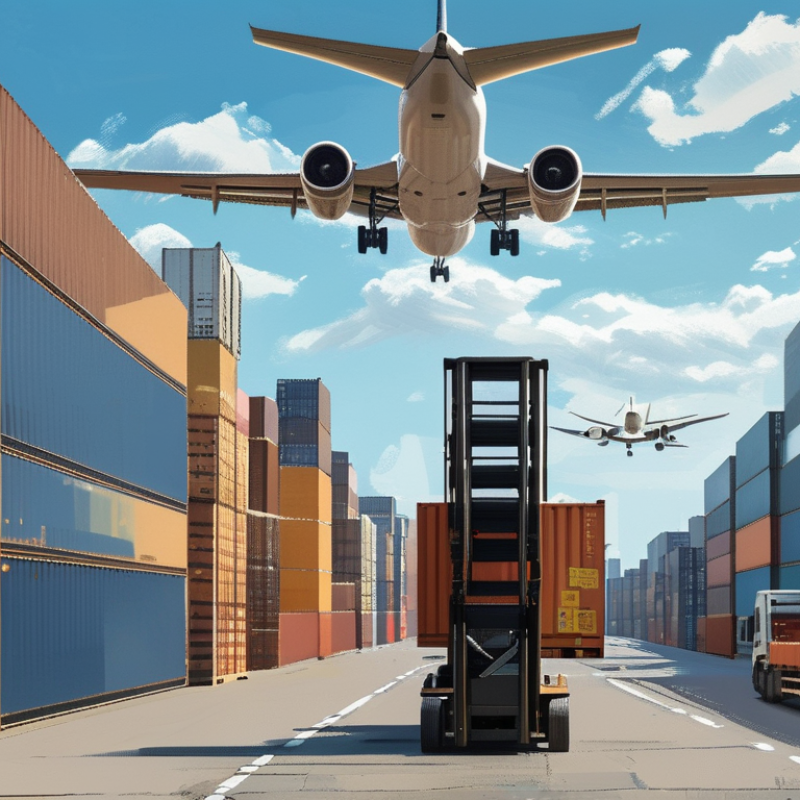
Logistics plays a vital role in global trade. It connects suppliers, manufacturers, and consumers across different regions. Efficient logistics can reduce costs and improve delivery times, making businesses more competitive. According to the Council of Supply Chain Management Professionals, logistics costs represent about 8% of the global GDP. This highlights its significance in international trade.
When logistics fail, the impact can be severe. Delays in shipping can lead to lost sales and reduced customer trust. Research by the World Bank indicates that logistics efficiency can increase exports by up to 14%. Companies must consistently evaluate and optimize their logistics strategies to ensure they meet market demands.
**Tip:** Invest in technology to track shipments in real time. This can reduce inefficiencies and enhance customer satisfaction. Collaborating with reliable partners also strengthens the logistics chain.
Successful logistics requires understanding local regulations and cultural differences. Misalignment in these areas can create challenges. Companies must stay informed about trade policies and adapt their operations accordingly.
**Tip:** Conduct regular training to keep teams updated on logistics best practices and regulatory changes. This investment pays off in smoother operations and increased trade opportunities.
Logistics plays a crucial role in global trade by ensuring the efficient movement of goods across borders. One key component is transportation. It determines how quickly products reach their destinations. Air, sea, and road transport each offer unique advantages and challenges. While air freight is speedy, it is costly. In contrast, sea freight is economical but slower. Businesses must balance speed and cost based on consumer needs and market demands.
Another vital aspect is inventory management. Companies must maintain optimal stock levels to prevent both excess and shortages. This often involves forecasting demand accurately. Poor predictions lead to lost sales or increased holding costs. Technology can support effective inventory solutions, yet reliance on software requires constant evaluation. Human oversight is essential to address any unforeseen discrepancies.
Lastly, supply chain visibility is increasingly important. Advanced tracking systems provide real-time updates on shipments. However, the complexity of global supply chains can create information silos. Companies must work to enhance communication between all stakeholders. Addressing these issues can improve responsiveness and trust across the supply chain, ultimately driving success in international commerce.
Logistics play a crucial role in global trade efficiency. They determine how products move from suppliers to consumers. Effective logistics management minimizes delays and reduces costs. Poor logistics can lead to inventory shortages or overstock situations. These challenges often result in lost sales and dissatisfied customers.
Supply chain efficiency depends on logistics strategies. Timely transportation and effective warehousing are key components. Companies need to track shipments accurately. This visibility helps prevent bottlenecks. Yet, many firms struggle with this aspect. They may lack the technology or resources to optimize their logistics processes. It’s a common area for improvement that can lead to significant cost reductions.
Cost reduction in logistics involves exploring alternatives. Companies often overlook local providers for international shipping. Some might benefit from consolidating shipments to save money. However, relying too heavily on one logistics provider can backfire. If disruptions occur, the entire supply chain can be affected. Reflecting on these strategies can lead to better logistics decisions.
| Logistics Factor | Impact on Supply Chain | Cost Reduction (%) | Efficiency Improvement (%) |
|---|---|---|---|
| Inventory Management | Enhances stock availability and minimizes shortages | 20% | 30% |
| Transportation Optimization | Reduces transit times and improves delivery performance | 15% | 25% |
| Technology Integration | Streamlines operations and enhances visibility | 10% | 40% |
| Supplier Collaboration | Strengthens partnerships and improves resource sharing | 12% | 35% |
| Regulatory Compliance | Minimizes legal risks and ensures smooth operations | 8% | 20% |
Logistics plays a critical role in global trade. However, it encounters numerous challenges that can hinder success. Delays in transit, customs clearance issues, and inefficiencies in supply chain management are common obstacles. These factors can lead to increased costs and reduced customer satisfaction.
Effective logistics requires clear communication among all parties involved. Streamlining processes can help minimize delays. Companies should invest in training staff to manage logistics efficiently. Understanding the specific needs of different regions can enhance the process.
**Tips:** Regularly evaluate your logistics partners for performance. This helps identify bottlenecks. Implementing technology, like tracking systems, can improve visibility. Also, consider local regulations to avoid customs pitfalls. This approach reduces risks associated with international trade.
The logistics sector is undergoing transformative changes that significantly impact global trade dynamics. According to a recent report by the Global Logistics Industry Association, advancements in technology are reshaping traditional practices. Innovations such as AI and blockchain are improving supply chain transparency and efficiency. Firms using integrated tracking systems can reduce delivery times by up to 25%.
As e-commerce continues to surge, the demand for agile logistics solutions increases. A study by Logistics Management found that 72% of businesses plan to invest in automation to meet this demand. Despite the benefits, integrating new technologies is challenging. Many companies face hurdles in training employees and aligning new systems with existing workflows.
Additionally, the environmental impact of logistics remains a concern. Sustainability practices are crucial yet often overlooked, highlighting the need for reflection in logistics strategies.
The future of logistics will also depend on adaptability. A dynamic market requires logistics providers to quickly respond to global challenges. Disruptions like pandemics or geopolitical tensions demonstrate vulnerabilities in current systems. A flexible logistics approach could mitigate such risks, fostering resilience in global trade operations. Companies must revisit their logistics strategies, ensuring they can adapt to future uncertainties while maintaining efficiency.
: Logistics connects suppliers, manufacturers, and consumers. It enhances efficiency and reduces costs.
Efficient logistics improve delivery times. This helps businesses attract more customers and increase sales.
Logistics failures can lead to delays. This may result in lost sales and decreased customer trust.
Logistics costs make up about 8% of the global GDP. This highlights its importance in trade.
Companies should invest in technology to track shipments. Collaboration with reliable partners is also essential.
Local regulations and cultural differences can create challenges. Companies must adapt to avoid operational disruptions.
Many firms struggle with tracking shipments accurately. This can lead to delays and cost overruns.
Efficient logistics can increase exports by up to 14%. This shows how important logistics is for growth.
Relying too heavily on one provider can backfire. Disruptions may affect the entire supply chain.
Reflecting on logistics strategies may reveal areas for improvement. This can lead to better decisions and cost savings.
Logistics plays a crucial role in global trade by ensuring the efficient movement and management of goods across borders. It encompasses various key components that facilitate international commerce, such as transportation, warehousing, inventory management, and order fulfillment. By optimizing these components, logistics significantly impacts supply chain efficiency and enables cost reduction, ultimately contributing to the success of global trade.
However, challenges in logistics, including regulatory hurdles, infrastructure limitations, and unpredictable disruptions, can hinder trade success. As we look to the future, understanding what is the role of logistics in global trade is essential for addressing these challenges and adapting to emerging trends. Innovations such as automation, advanced tracking technologies, and sustainability practices are set to reshape logistics, enhancing its effectiveness in supporting global commerce.

AeroLoad Logistics